Archives for August 2026

General contractor Asheville NC meeting with prospective clients

Questions to Ask Before Hiring a General Contractor in Asheville, NC

The best way to choose a general contractor in Asheville is to ask detailed questions about project experience, cost transparency, communication, coordination, scheduling, and support after completion. A contractor’s answers should help you understand not only what they build, but how they manage the decisions and challenges that shape the entire construction process.

Whether you are planning a custom home, major home renovation in Asheville, commercial construction project, historic restoration, or development venture in Western North Carolina, the right general contractor in Asheville, NC should provide clear expectations from the beginning. Use these questions to evaluate potential partners and determine which team is prepared to guide your project from vision to completion.

1. What Types of Projects Do You Manage?

Construction experience should be relevant to your project, not simply broad. Ask whether the contractor regularly manages the type of work you are planning.

Different project types require different expertise. Commercial construction in Asheville, adaptive reuse, restaurant upfits, custom homes, and historic restoration each present distinct planning, coordination, and construction requirements. Ask prospective contractors to demonstrate relevant experience with projects similar to yours.

Ask how the contractor’s services align with your needs. Important areas may include:

  • Custom residential building
  • Major home renovations
  • Commercial construction and tenant upfits
  • Historic restoration and adaptive reuse
  • Site development and real estate development
  • Construction management and project coordination

Falcon Construction and Development serves commercial, residential, historic restoration, renovation, adaptive reuse, and development projects throughout Asheville and Western North Carolina. Explore Falcon’s construction and development services.

2. What Relevant Project Experience Should a General Contractor in Asheville, NC Have?

Local experience matters because each region presents distinct site, permitting, access, utility, and construction conditions. Ask for examples that resemble your project in size, complexity, intended use, and location.

For a mountain home, ask about steep slopes, road access, grading, drainage, engineering, and utility coordination. For a commercial project, ask about occupancy requirements, tenant needs, operating businesses, historic structures, and minimizing disruption. For a development project, ask how the contractor evaluates zoning, infrastructure, site constraints, and constructability before construction begins.

Request project examples, photographs, and references when appropriate. Falcon’s project portfolio includes custom mountain homes, high-end residential remodels, restaurants, tenant upfits, adaptive reuse, historic restorations, and commercial development projects.
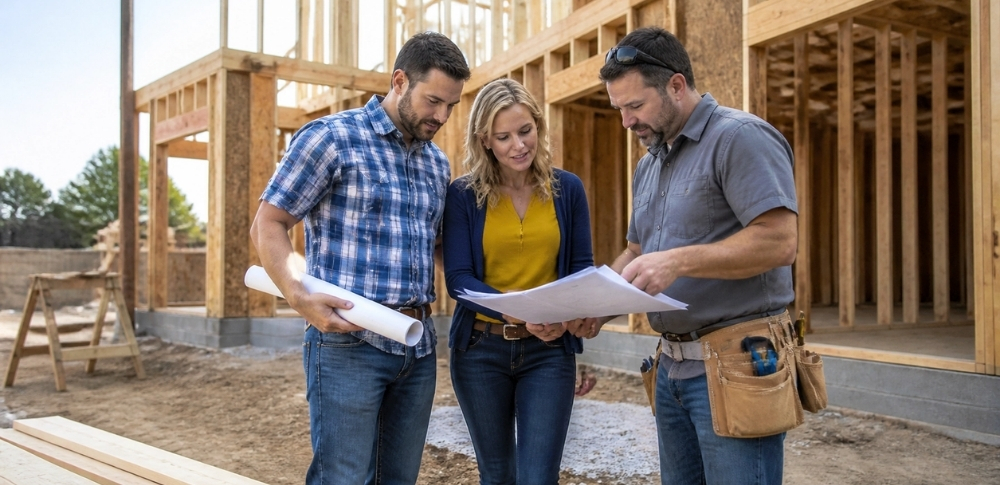
Homeowners reviewing plans with a general contractor in Asheville, NC

3. How Do You Handle Budgeting and Cost Transparency?

A reliable budget is more than a single number. When evaluating a general contractor in Asheville, NC, ask how the contractor develops preliminary pricing, refines the estimate, accounts for allowances, and communicates changes as the project develops.

You should understand what is included in the proposed scope and what remains outside it. Ask how the contractor handles design changes, owner selections, material substitutions, unforeseen existing conditions, and other decisions that may affect cost.

Also ask:

  • How are estimates updated as plans become more detailed?
  • Which costs are allowances or provisional amounts?
  • How are change orders documented and approved?
  • What information will be included with invoices?
  • How will potential budget issues be communicated?

Falcon describes its approach as open-book transparency, with a focus on clear communication, budget oversight, and keeping projects aligned with the owner’s goals. The important consideration is whether a contractor can explain its process in a way that gives you confidence before work begins.

4. Who Will Manage Communication and Day-to-Day Decisions?

The person who presents the proposal may not be the person managing your project. When evaluating a general contractor in Asheville, NC, ask who will serve as your primary point of contact and who will oversee day-to-day construction decisions.

Clarify how often you will receive updates, how meetings will be organized, and how urgent issues will be handled. You should also know who has authority to coordinate subcontractors, review field conditions, address schedule conflicts, and bring decisions to you for approval.

Strong communication is especially important when a project involves several stakeholders. Homeowners, business owners, developers, architects, engineers, designers, suppliers, and local jurisdictions must receive the right information at the right time.

Ask the contractor to describe a typical communication rhythm. Clear processes reduce confusion and help preserve project momentum.

5. How Do You Coordinate Architects, Engineers, Designers, Subcontractors, Utilities, and Local Jurisdictions?

A general contractor should function as a central point of coordination rather than simply arranging labor after design is complete. Ask how the contractor brings the entire project team together.

The answer should address design review, constructability, trade coordination, site logistics, utility requirements, inspections, and communication with reviewing authorities. It should also explain how conflicts are identified and resolved before they create delays in the field.

For development and complex renovation projects, early coordination is particularly valuable. Site layout, grading, stormwater, roadways, utilities, structural requirements, mechanical systems, and building use can all affect the final scope.

Falcon’s commercial development process includes feasibility and site evaluation, planning and engineering coordination, infrastructure and site development, financial analysis, and project management. Review Falcon’s commercial development capabilities.

6. How Do You Approach Permitting, Zoning, and Project-Specific Requirements?
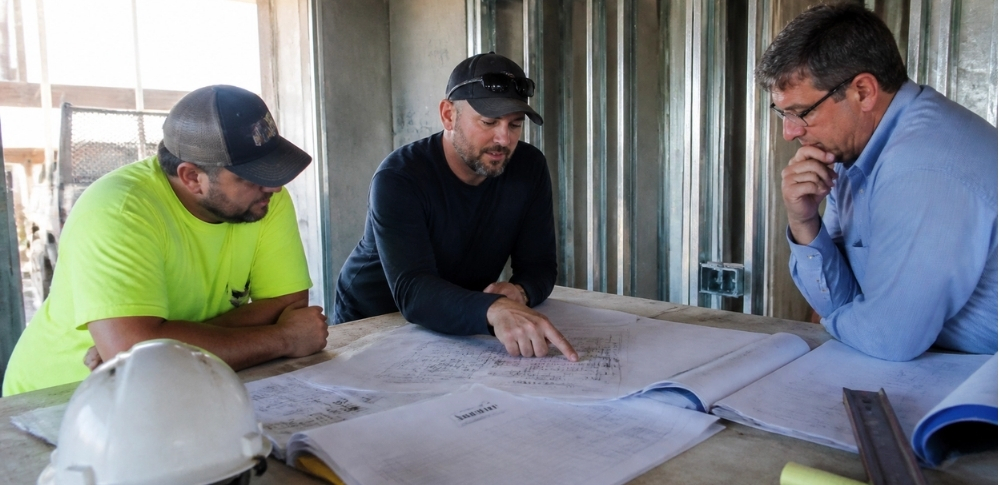
General contractor and project team reviewing building plans in Asheville, NC

Permitting and zoning should be discussed early, not treated as administrative details after construction planning is complete. Ask which approvals may be required and who will coordinate the necessary documentation, reviews, inspections, and revisions.

When working with a general contractor in Asheville, NC, project-specific requirements may relate to mountain terrain, existing urban buildings, historic districts, redevelopment, access, utilities, stormwater planning, occupancy, or preservation standards. The correct process will depend on the property and proposed work. Before hiring a contractor, ask:

  1. Which jurisdictions and reviewing agencies may be involved?
  2. Who prepares and submits permit documents?
  3. How are zoning or historic requirements evaluated?
  4. How are inspections scheduled and tracked?
  5. What happens if the jurisdiction requests changes?

A capable general contractor should identify potential constraints early and coordinate with the design and engineering team to create a realistic path forward.

7. How Do You Build and Manage the Schedule?

Ask for more than an anticipated completion date. A useful schedule should explain major phases, dependencies, decisions, inspections, procurement, and milestones.

Discuss how the contractor plans for material lead times, weather, site access, design revisions, owner selections, utility work, and unforeseen conditions. Ask how schedule changes are communicated and what steps the team takes to recover lost time when possible.

For a business owner, schedule management may also involve maintaining operations during construction. Falcon’s commercial construction services emphasize precision, clear timelines, coordinated execution, and minimal disruption to day-to-day operations. Learn more about commercial construction in Asheville.

The best schedule is a management tool. It should help the owner understand what is happening now, what decisions are approaching, and which activities control the next phase of work.

8. How Are Selections, Changes, Quality Checks, and Site Updates Handled?

Owner decisions can have a direct effect on cost and schedule. Ask how selections are presented, when decisions are due, and how approvals are recorded.

You should also understand how the contractor reviews workmanship throughout construction. Ask about site walks, quality checks, inspection coordination, punch-list procedures, and documentation of completed work.

For renovations and historic restorations, quality management may include protecting existing features, documenting concealed conditions, coordinating structural work, and balancing preservation with modern building performance. For custom home construction, it may include detailed finish coordination and ongoing review of the owner’s selections.

A dependable process makes these activities visible. It does not rely on informal conversations or assumptions.

9. What Happens After Completion?

Project closeout should be part of the conversation before construction begins. Ask what you will receive at turnover and how the contractor handles remaining items.

Discuss owner orientation, operating information, product documentation, inspection sign-offs, warranties, and punch-list completion, particularly for specialized projects such as historic restorations. Ask who will respond if an issue develops after move-in or after your business resumes normal operations.

It is also reasonable to ask whether the contractor can remain a resource for future renovations, additions, maintenance-related construction, or development needs. A completed project may be the beginning of a long-term relationship rather than the end of one.

How Should You Compare the Answers?

Do not compare contractors based on price alone. Compare the completeness of each proposal, the clarity of the communication process, the relevance of the project experience, and the contractor’s ability to identify risks before they become expensive problems.

Look for answers that are specific, organized, and supported by a clear process. Be cautious when a contractor avoids discussing exclusions, change decisions, schedule dependencies, or responsibility for coordination.

The right general contractor should make the project easier to understand. They should help align scope, budget, design, schedule, and construction requirements while giving you the information needed to make sound decisions.

Partner with an Experienced General Contractor in Asheville, NC

Falcon Construction and Development helps homeowners, business owners, developers, and property owners move projects forward throughout Asheville and Western North Carolina. Our team provides commercial construction, custom residential building, historic restoration, renovations, and end-to-end development services.

If you are evaluating a property, planning a custom home, considering an Asheville renovation, or preparing for a commercial construction project, contact Falcon to discuss your goals. Our team is ready to learn more about your goals, answer your questions, and help you determine the right next steps for your project—with the transparency, experience, and personal attention Falcon brings to every build.
Read more
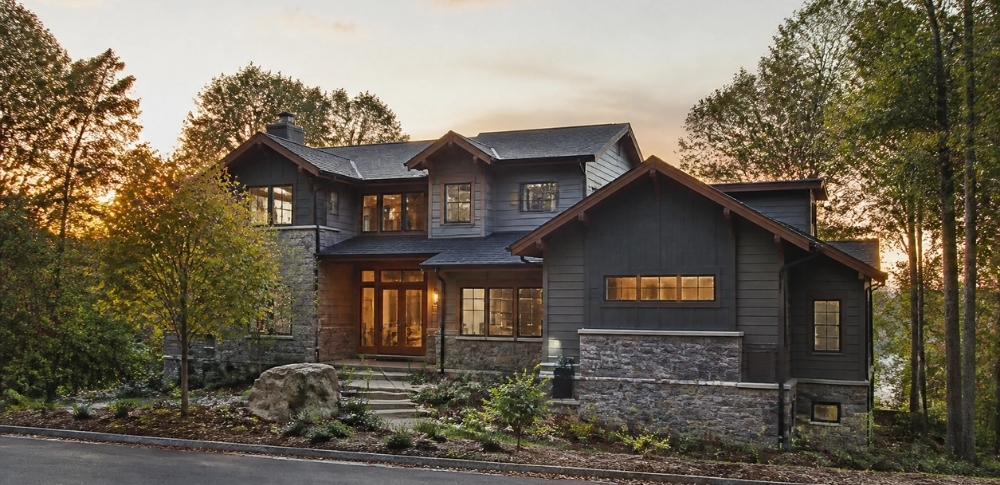
Property value supported by quality custom home construction in Asheville, NC

How Quality Construction Impacts Long-Term Property Value

A property is more than a purchase. It is where people live, work, welcome others, and make long-term financial decisions. The quality behind the walls, roof, windows, systems, and finishes shapes how that property feels to own today, and how confidently it can be positioned for sale years from now.

That is why understanding how quality construction impacts long-term property value matters to homeowners, property owners, developers, and business owners alike. Appearance may attract attention, but durability, performance, maintenance requirements, documentation, and functional design have a lasting influence on ownership experience and marketability.

Quality construction does not guarantee a specific resale price or appreciation rate. Market conditions, location, design, maintenance, and buyer demand all influence value. However, careful construction can reduce avoidable risks and help a property remain useful, attractive, and competitive over time.

What Does Quality Construction Mean for Property Owners?

Quality construction means delivering a property with durable materials, careful workmanship, coordinated systems, and attention to how the building will perform over time. It includes the visible finishes that create a strong first impression and the less visible work that supports comfort, weather protection, and reliable daily use.

For a homeowner, this may mean fewer disruptions caused by premature repairs. For a commercial property owner, it may support consistent operations and reduce unnecessary maintenance interruptions. For a developer, it can strengthen the overall performance of an asset from initial planning through future ownership or sale.

The best results begin with informed decisions about scope, materials, design coordination, construction sequencing, and closeout. A comprehensive approach helps connect the details of construction to the property’s long-term purpose.

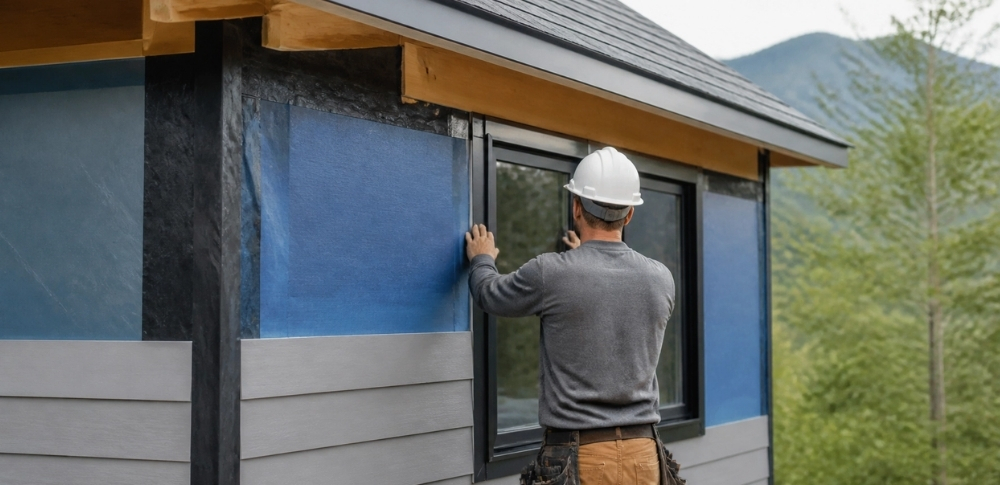
Building envelope construction and window installation on a mountain home

Does Quality Construction Increase Property Value?

Yes, quality construction can support property value by improving durability, performance, buyer confidence, and long-term usability.

A well-built property gives future buyers more than an attractive appearance. It provides evidence that important components were selected and installed with care. Consistent finishes, properly functioning systems, well-maintained exterior materials, and organized records can reduce uncertainty during a future transaction.

The relationship between construction quality and resale value is not based on one feature. It comes from the combined effect of sound workmanship, durable materials, efficient systems, practical layouts, and responsible maintenance. These qualities can help a property age well and remain appealing when compared with properties that require significant correction or immediate investment.

This is particularly relevant when considering property value in Asheville, where properties may involve mountain conditions, historic structures, urban settings, or complex development requirements. Each property must be evaluated individually, but construction quality remains an important part of its long-term position.

Which Construction Details Help Protect Long-Term Property Value?

Building-envelope performance, material selection, system coordination, and workmanship are among the construction details that help protect long-term property value.

The building envelope is the boundary between the interior and exterior. Roofing, windows, siding, flashing, and moisture-management details all contribute to how a property responds to weather and daily use. When these elements are thoughtfully selected and carefully installed, they can help protect interior finishes and reduce the likelihood of premature deterioration.

Material selection should reflect the property’s setting, intended use, maintenance expectations, and design goals. Fiber cement siding, composite decking, and standing-seam metal roofs may be appropriate examples for some projects, but no material is the right answer in every situation. The important consideration is whether the selection is suited to the property and installed according to the project requirements.

Workmanship connects those decisions to actual performance. Materials cannot deliver their intended benefits if installation is inconsistent, details are overlooked, or coordination between trades is incomplete. That is why quality control and clear communication matter throughout construction.

How Does Durability Affect Resale Value?

Durability affects resale value by helping a property maintain its condition, function, and appearance while reducing the burden of recurring repairs.

Durable home construction can make ownership more predictable. Roofs, exterior cladding, windows, decking, flooring, cabinetry, and other components experience ongoing exposure to weather and use. Selecting materials that are appropriate for those conditions can help limit premature replacement and preserve the property’s overall presentation.

A property that has been maintained consistently is easier for a future buyer to evaluate. Visible deterioration, unresolved defects, and a history of frequent repairs may create concerns that affect negotiations. By contrast, a property with durable materials and a clear maintenance history can give buyers greater confidence in what they are considering.

Durability also has value beyond resale. It can support everyday comfort, reduce disruption, and help owners direct resources toward planned improvements instead of repeated corrective work. The goal is not to eliminate maintenance. Every property requires ongoing care. The goal is to build and maintain a property in a way that supports its intended life.

Does Energy Efficiency Influence Property Value?

Yes, energy efficiency can influence property value by supporting comfort, operating performance, and buyer interest, although the financial impact varies by property and market.

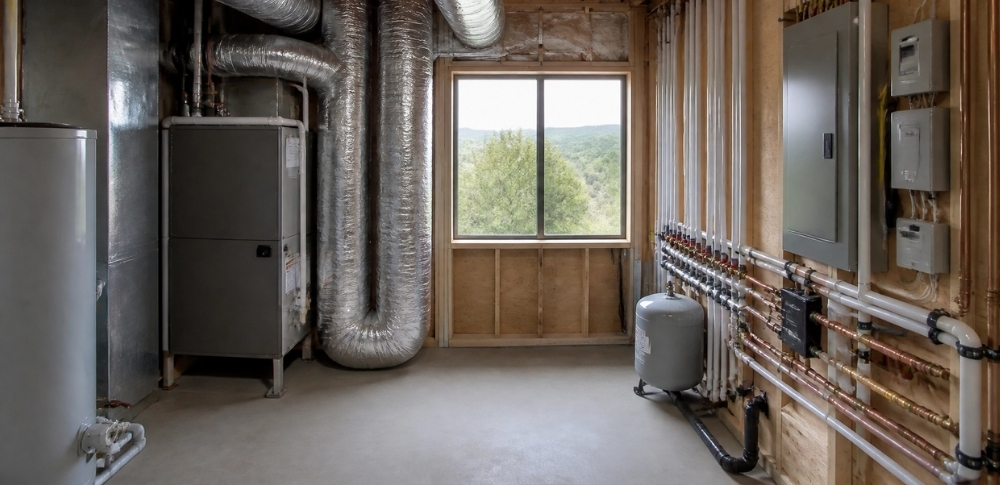
Insulation, efficient windows, HVAC equipment, and ventilation all affect how a building performs during everyday occupancy. Good coordination among these components can contribute to more consistent interior temperatures and more manageable operating costs.

Energy performance should be considered as part of the building’s overall design rather than as an isolated feature. The property’s orientation, envelope, mechanical systems, controls, and intended use all influence the outcome. A construction team should also help owners understand the practical implications of different selections so decisions can be made within the project’s priorities and budget.

For residential and commercial properties, operating performance may influence how occupants experience the space and how future buyers assess ongoing ownership. It does not create an automatic return, but it can contribute to a more competitive and comfortable property.

Energy-efficient home mechanical systems supporting long-term property value

How Can Functional Design Support Long-Term Property Value?

Functional design can support long-term property value by helping a property remain useful as the owner’s needs, household, business, or market expectations change.

A thoughtful layout can make rooms easier to use without relying on short-lived trends. Flexible rooms may serve as an office, guest room, studio, or sitting area at different points in the property’s life. Adequate storage, practical circulation, durable finishes, and well-planned service areas can also make the building more adaptable.

Adaptability is valuable because a property may serve more than one purpose over time. A homeowner’s needs may change. A business may require a different operational arrangement. A developer may need a space that can support changing tenants or uses. Good planning does not predict every future need, but it can avoid unnecessary limitations.

The strongest design decisions balance present function with future potential. That may include planning for accessible movement, allowing reasonable opportunities for future improvements, and coordinating systems so later work can be approached thoughtfully rather than reactively.

Can a Well-Built Property Adapt to Changing Needs?

Yes, a well-built property can adapt more effectively when its layout, systems, storage, and construction details support future changes.

Adaptability does not mean every room must be designed for every possible use. It means the property is not unnecessarily constrained by poor circulation, inadequate utility planning, limited storage, or materials that cannot withstand the intended use.

A coordinated construction process can help identify these considerations early. Owners can discuss priorities with the design and construction team, compare material options, and make decisions that support both current needs and future flexibility.

Why Do Documentation and Maintenance Records Matter?

Documentation and maintenance records matter because they help current and future owners understand how the property was built, equipped, and cared for.

A responsible project closeout may include warranties where provided, product information, maintenance guidance, owner orientation, and records related to the completed work. These materials can help owners identify the right products, follow recommended care, and make informed decisions about future service or improvements.

Documentation can also reduce uncertainty during a sale and help provide important context around property value. Future buyers and their advisors may want to understand the age and condition of major systems, the materials used, and any maintenance completed. Clear records do not replace inspections or professional evaluations, but they provide useful context.

For commercial properties, organized closeout information can be especially helpful when owners, tenants, managers, and service providers change over time. A property is easier to operate when essential information is accessible and understandable.

How Does a Transparent Construction Process Support Property Value?

A transparent construction process supports informed decisions by giving owners clearer visibility into scope, selections, costs, schedule communication, and project coordination.

Open-book transparency does not automatically increase resale value. It can, however, help owners understand what they are purchasing and make deliberate choices about quality, durability, performance, and priorities. Clear communication also gives the project team an opportunity to address questions before they become larger issues.

This coordination matters across the full range of construction and development work. Falcon Construction and Development works with local businesses, homeowners, developers, and property owners on projects that require attention to craftsmanship, budgeting, design coordination, permitting, engineering, zoning, and construction management.

The objective is a clear path from vision to completion. That includes aligning expectations, coordinating the work, managing the budget and schedule, and supporting the owner through final turnover.

What Should You Ask a Builder About Construction Quality?

When evaluating a builder, ask specific questions about how quality is planned, monitored, documented, and supported after completion.

  1. Ask how quality control is managed. Discuss inspections, trade coordination, material installation, and how questions or corrections are addressed during construction.
  2. Ask how decisions are documented. Confirm how selections, approved changes, product information, warranties where provided, and closeout records will be organized.
  3. Ask how schedule communication works. A clear communication process can help owners understand milestones, procurement, decisions, and changes that affect the work.
  4. Ask how subcontractors and design professionals are coordinated. Construction quality depends on communication among the owner, architect, engineers, subcontractors, suppliers, and project team.
  5. Ask what support is available after move-in or turnover. Understand the process for warranty questions, maintenance guidance, punch-list work, and post-completion communication.

These questions can help you compare a custom home builder in Asheville, NC or a commercial construction partner based on process and accountability rather than appearance alone.

How Falcon Construction and Development Approaches Long-Term Property Value

Falcon Construction and Development brings a full-service perspective to custom residential builds, complex renovations, historic restoration, commercial construction, and end-to-end development throughout Asheville and Western North Carolina.

Our team focuses on exceptional craftsmanship, open-book transparency, and expert navigation of the decisions that shape a successful project. That includes coordinating design teams, permitting, engineering, zoning, budgets, schedules, subcontractors, and construction delivery.

The company’s portfolio includes custom homes, commercial spaces, adaptive reuse, historic restorations, restaurants, offices, retail environments, and other properties. This breadth across sectors gives owners access to experience with different building types, project conditions, and long-term performance considerations.

If you are planning a custom home, renovation, commercial project, historic restoration, or development venture, review residential construction services, commercial construction services, historic restoration, or development services. Then contact Falcon Construction and Development to discuss your project and the decisions that can support its long-term value.

Frequently Asked Questions

What is the most important construction factor for long-term property value?

There is no single factor that determines property value. Durable materials, sound workmanship, reliable systems, practical design, maintenance, and documentation work together to support long-term performance.

Can quality construction protect a property from all future repairs?

No. Every property requires maintenance and eventually needs repairs or replacements. Quality construction can help reduce premature problems, but it does not eliminate normal wear, aging, or unexpected events.

Is energy-efficient construction always the best investment?

Energy-efficient features can improve comfort and operating performance, but the right investment depends on the property, its intended use, project priorities, and budget. Each selection should be evaluated in context.

Does construction quality matter for commercial properties too?

Yes. Construction quality can affect operational reliability, maintenance demands, tenant experience, adaptability, and the future marketability of a commercial property.

Read more