
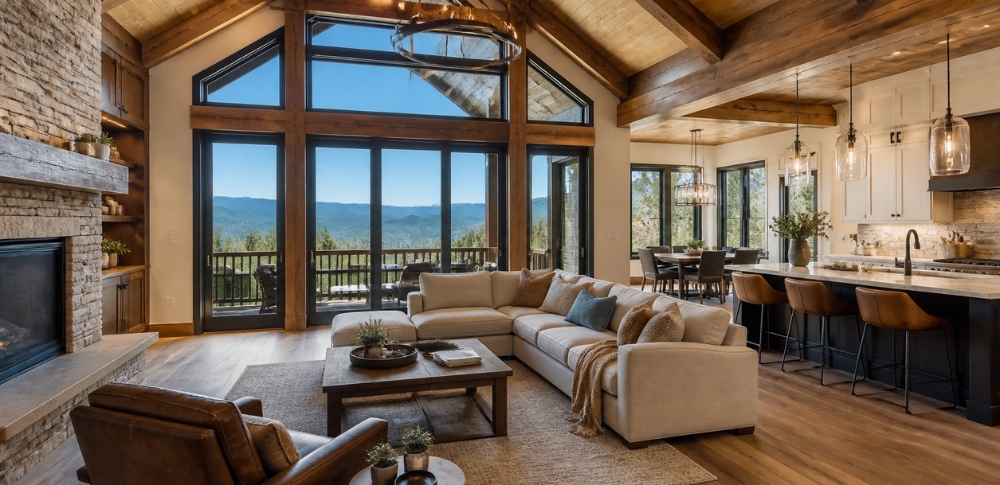
Undertaking a home renovation in the Blue Ridge Mountains requires more than a vision for aesthetic improvement; it demands a thorough understanding of regional logistics, local regulations, and environmental considerations. Asheville, North Carolina, offers a unique architectural landscape, ranging from historic bungalows in Montford to contemporary mountain retreats situated on steep terrain.
At Falcon Construction and Development of North Carolina, we understand that home remodeling in Asheville, NC is a significant investment in both your property and your quality of life. To help ensure your project moves from concept to completion with confidence and efficiency, we’ve outlined five essential tips for navigating the complexities of the local construction market.
1. Master the Regulatory Maze: Permits and Zoning
The administrative phase of a renovation is often one of the most critical. Asheville’s Development Services Department (DSD) maintains rigorous standards designed to protect public safety, preserve community character, and ensure the long-term integrity of the region’s housing stock. Successfully navigating these requirements requires careful planning, attention to detail, and proactive communication.
Identify Your Jurisdiction
Determine whether your property is located within the City of Asheville or in unincorporated Buncombe County. Permitting, zoning, and inspection requirements can vary depending on the governing jurisdiction, making it important to understand which regulations apply to your project from the outset.
Review Zoning and Overlay Requirements
In addition to standard building codes, your property may be subject to zoning overlays or special development requirements, including steep slope, floodplain, watershed, or historic district regulations. These requirements can impact project design, engineering needs, timelines, and overall feasibility.
Work with Experienced Professionals
Complex renovations—particularly those involving structural modifications, electrical systems, plumbing, or HVAC upgrades—often require permits and inspections. Partnering with a team experienced in site analysis, permitting, and construction management can help keep your project compliant, minimize delays, and reduce the risk of costly setbacks.
2. Demand Financial Clarity Through Open-Book Transparency
Successful home remodeling in Asheville, NC begins with a clear understanding of costs. In the Asheville market, factors such as site conditions, material availability, permitting requirements, and project complexity can all influence the overall budget. Without transparency, homeowners may find it difficult to understand how costs evolve throughout the construction process.
At Falcon Construction and Development of NC, we believe transparency is essential to building trust and delivering a positive client experience. An open-book approach provides visibility into project costs, helping homeowners make informed decisions with confidence. When evaluating partners for Asheville home renovations, prioritize firms that offer:
Detailed Line-Item Budgeting
A comprehensive breakdown of project costs, including labor, materials, permits, and subcontracted work.
Regular Financial Reporting
Consistent budget updates that compare projected costs to actual expenditures throughout the project lifecycle.
Transparent Fee Structures
A clear understanding of management fees, project costs, and how your construction partner is compensated, reducing the likelihood of unexpected surprises.
3. Respect the Terrain: Build for the Mountains
Asheville’s mountain landscape is one of its greatest attractions, but it also presents unique construction challenges. Renovating a home on sloped terrain requires careful planning to address grading, drainage, foundation performance, and long-term site stability.
Prioritize Structural Integrity
Before investing in cosmetic upgrades, ensure the home’s existing structure can support any planned additions or modifications. This is especially important when adding square footage, expanding living spaces, or constructing a second story.
Plan for Effective Drainage
Western North Carolina experiences significant rainfall throughout the year, making proper drainage a critical component of any renovation. Well-designed stormwater management systems can help protect your investment from erosion, water intrusion, and foundation-related issues.
Leverage Site-Specific Expertise
Properties with steep slopes, challenging access, or complex site conditions often benefit from additional engineering and site analysis. Working with professionals experienced in mountain construction can help identify potential challenges early and develop solutions that support both safety and long-term performance.
At Falcon Construction and Development of NC, our experience managing residential projects on complex sites allows us to navigate the unique demands of Asheville’s terrain while helping homeowners build with confidence.
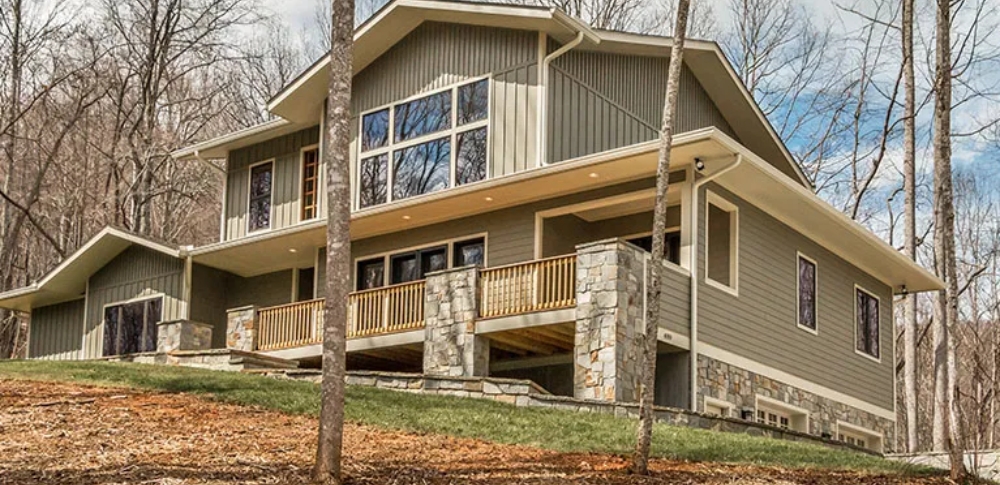
4. Respect Local Character and Historic Preservation
Whether your home is a mid-century modern retreat, a classic Craftsman, or a historic mountain cottage, preserving the architectural character of Western North Carolina helps protect both property value and community identity. In neighborhoods such as Montford, Grove Park, and Kenilworth, certain renovation projects may be subject to historic preservation guidelines and review processes.
Understand Historic District Requirements
If your property is located within a designated local historic district, exterior modifications may require review and approval from the Historic Resources Commission (HRC). This process helps ensure that renovations remain consistent with the architectural character of the surrounding neighborhood.
Balance Modern Living with Historic Character
The most successful renovations thoughtfully integrate modern conveniences—such as updated kitchens, improved energy efficiency, and contemporary living spaces—while preserving the details that make older homes unique.
Choose Materials Thoughtfully
When restoring or renovating a historic property, selecting materials that complement the home’s original architecture can help maintain its character and authenticity. Depending on the home’s age and style, this may include traditional wood siding, locally sourced stone, period-appropriate trim details, or historically compatible color palettes.
At Falcon Construction and Development of NC, we understand the importance of honoring a home’s history while creating spaces that meet the needs of modern living.
5. Plan for Strategic Phasing and Long-Term Performance
Successful renovations require more than great design—they require thoughtful planning. Project scope, budget considerations, material lead times, and construction sequencing can all influence the overall success of a renovation. A strategic approach helps homeowners maximize value while maintaining flexibility throughout the process.
Consider a Phased Approach
For larger renovation projects, phasing construction can help align improvements with your budget, timeline, and priorities. Addressing structural repairs, roofing, building systems, and other foundational elements first can create a solid framework for future enhancements.
Invest in Energy Efficiency
Upgrades such as high-performance insulation, energy-efficient windows, modern HVAC systems, and solar-ready infrastructure can improve comfort, reduce operating costs, and enhance long-term property value.
Build for Durability and Resilience
Mountain environments present unique challenges, including heavy rainfall, fluctuating temperatures, and occasional severe weather events. Selecting durable materials, implementing effective drainage solutions, and considering backup power options can help improve a home’s long-term performance and preparedness.
At Falcon Development of NC, we help homeowners create renovation plans that balance immediate goals with long-term value, ensuring each investment supports both performance and livability for years to come.
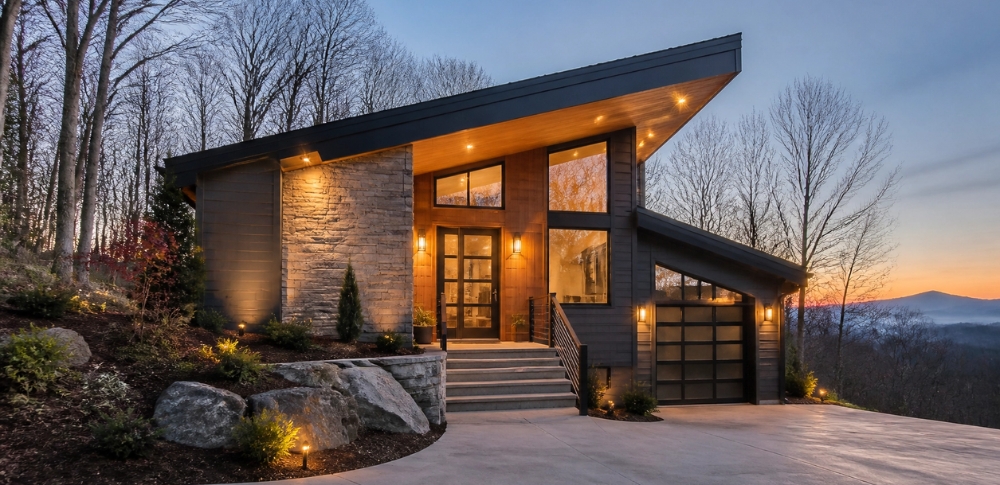
Achieving Excellence in Asheville Renovations
Successful home remodeling in Asheville begins with thoughtful planning, clear communication, and an understanding of the region’s unique building requirements. By addressing permitting, budgeting, site conditions, and long-term performance early in the process, homeowners can create spaces that are both beautiful and built to last.
At Falcon Development of NC, we guide clients through every stage of the renovation journey—from initial planning and design to construction and project completion. Whether you’re restoring a historic home, updating a mountain retreat, or undertaking a large-scale renovation, our team is committed to delivering the expertise, transparency, and personalized service your project deserves.
Ready to discuss your renovation goals? Contact Falcon Development of NC to learn how we can help bring your vision to life.
Frequently Asked Questions (FAQ)
Do I need a permit for a kitchen remodel in Asheville?
Permit requirements depend on the scope of work. Projects involving structural modifications, electrical work, plumbing changes, HVAC updates, or other significant alterations often require permits and inspections. Because requirements can vary based on the property and project details, it is always best to verify current requirements with the appropriate local permitting authority before beginning work.
How long does the permitting process take in Asheville?
Permit timelines vary depending on project complexity, application completeness, and any required reviews. Some residential permits may be issued relatively quickly, while projects involving historic districts, zoning considerations, engineering reviews, or special site conditions can require additional time. Working with an experienced construction team can help streamline the process and minimize delays.
What is open-book transparency in construction?
Open-book transparency is a project management approach that provides homeowners with visibility into project costs. Depending on the agreement, clients may receive access to labor costs, material expenses, subcontractor pricing, and budget updates throughout the project. This approach promotes clear communication and informed decision-making throughout the construction process.
Why is site and slope planning important in Western North Carolina?
Many properties in Western North Carolina feature sloped terrain, varying soil conditions, and significant rainfall. Proper site planning and engineering help address drainage, erosion control, foundation performance, and long-term stability. Evaluating these factors early in the renovation process can help protect both the home and the surrounding property for years to come.