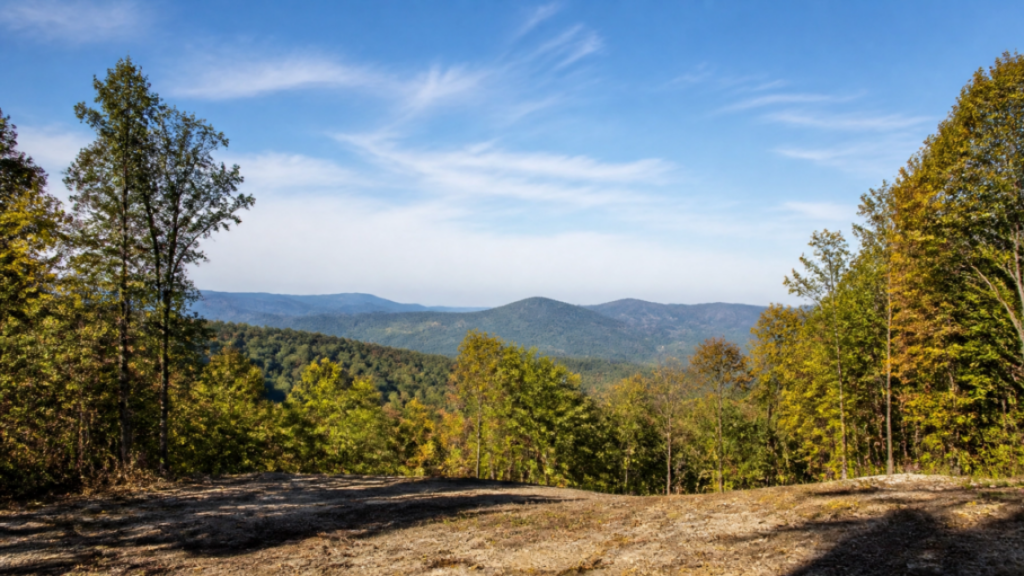
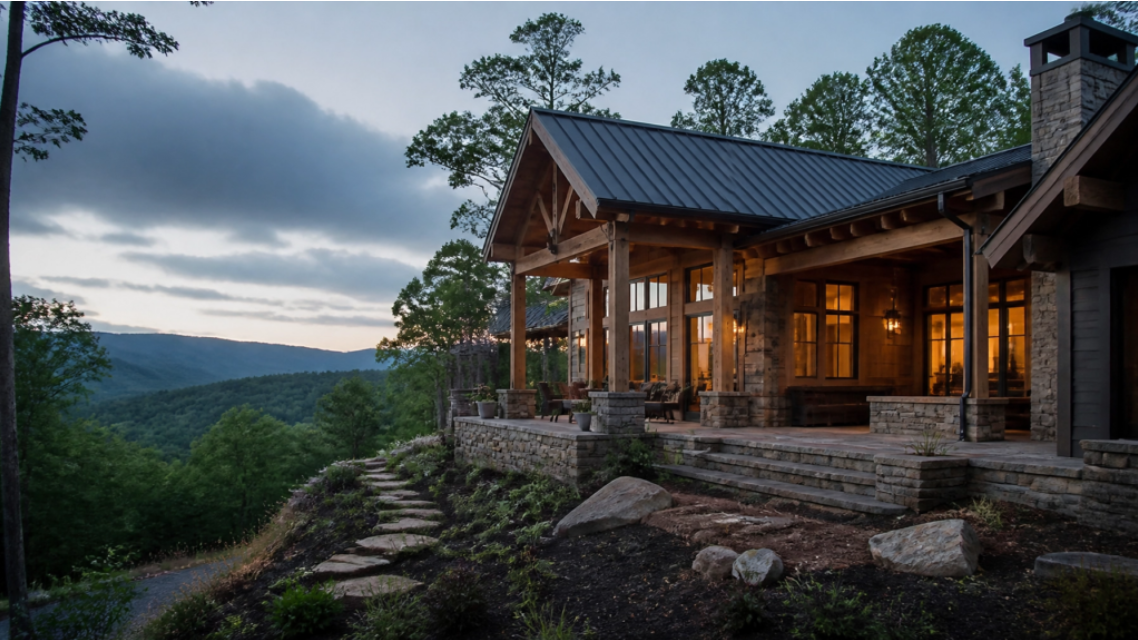
In Western North Carolina, two lots can look similar online and perform very differently once you begin planning a home. A beautiful mountain lot selection may come with limited utility access. A wooded parcel with privacy may also bring driveway challenges, runoff concerns, or a smaller building envelope than expected. That is why homesite selection should go beyond first impressions and focus on how the land will actually support the kind of home you want to build.
Finding the right homesite is about more than beautiful views. The property you choose will influence how your home is designed, how it functions, what it costs to build, and how you’ll experience mountain living every day. If you are planning to work with a mountain home builder North Carolina buyers can trust, the best outcomes usually start with careful land evaluation before closing on a property.
Before purchasing land, it is helpful to involve your builder so the property can be evaluated in relation to your home design, access needs, utilities, budget, and construction goals. Working with an experienced local team can help you evaluate those options before making major decisions.
For buyers interested in Western North Carolina custom homes, a practical site review can prevent costly surprises and create a much clearer path from land purchase to construction. The sections below answer the most common questions about how to choose the right mountain lot and how smart planning can improve both design and budget.
What Should You Look for Before Making an Offer on a Mountain Lot Selection?
The first step in mountain lot selection is understanding whether the property supports a buildable, reasonably efficient homesite. A listing may highlight views, acreage, or privacy, but those features do not tell you whether the parcel has practical road access, available utilities, or enough usable ground for the home you want. When reviewing land in the mountains, it is important to look at the building envelope, not just the lot lines. The true building area may be affected by setbacks, topography, septic placement, easements, and driveway alignment.
Utility access is another major part of homesite selection. Before making an offer, confirm how the property will be served by water, sewer or septic service, electric, and high-speed internet.
In some cases, utility extensions are manageable. In others, they can add considerable cost and time. A mountain lot that appears attractively priced may require trenching, pump systems, well work, or other infrastructure that changes the financial picture quickly. These early questions matter just as much as the appearance of the site.
Road access also deserves close attention. Some parcels front on established roads, while others depend on narrow private roads, shared easements, or long driveway runs that can complicate construction and long-term use. Access affects delivery logistics, emergency entry, driveway grading, and day-to-day convenience. It is also worth considering how service vehicles, moving trucks, and future deliveries will access the property.
Seasonal views should be reviewed with the same level of care. A winter view can look very different once trees leaf out, so it is wise to confirm what the property will actually offer throughout the year rather than relying on one showing or one season.
Floodplain conditions should be checked even in mountain areas, especially on lower sections of a property or near creeks and drainage paths. A site can have excellent views and still include constraints that limit where you can build. For anyone planning to build on mountain lot conditions in this region, the goal is to identify a property that supports the house, access, and infrastructure together, not just a property that photographs well.
Does the Slope of the Land Matter?
Yes, slope matters because it influences nearly every part of the project. When it comes to mountain lot selection, a gentle site often allows for simpler access, more flexible home placement, and a more straightforward foundation approach. A moderate slope can still work very well and may create opportunities for a walk-out lower level or a strong relationship between indoor and outdoor living spaces. A steep site can also produce an exceptional home, but it usually requires more careful engineering, grading, drainage planning, and cost control.
The key is not to think of slope as good or bad in isolation. Instead, consider how the slope works with your goals. If you want easy entry, broad yard space, and a shorter driveway, a gentler mountain lot may be the better fit. If you want elevated views and a design that steps with the terrain, a more sloped property may make sense. The right answer depends on the kind of home you want, the amount of site work you are comfortable funding, and how you expect to use the property over time.
Slope also affects construction access and foundation strategy. Excavation can become more complex when there is limited equipment access or when the best building area sits above or below the road. Retaining needs, wall heights, and drainage details often increase as the terrain becomes more demanding. This does not mean a sloped parcel should be avoided. It means the lot should be evaluated in the context of realistic construction planning rather than purchased on appearance alone.
For buyers comparing land in Western North Carolina, this is where a local builder adds real value. An experienced mountain home builder NC property owners can consult early will usually see grading concerns, access limitations, and cost drivers long before plans are finalized. That perspective helps you choose a mountain lot that aligns with your budget instead of working against it.
Does Sun Exposure Matter With Mountain Lot Selection?
Sun exposure has a direct effect on comfort, natural light, energy use, and how enjoyable outdoor spaces feel throughout the year. In the mountains, orientation can change the way a homesite lives from season to season. Morning light may brighten kitchen and bedroom spaces in a way that feels welcoming and practical. A site that stays shaded for long stretches in winter may feel cooler, darker, and slower to dry after rain or snow. Those conditions are not necessarily deal breakers, but they should be understood early.
Deck usability is another reason orientation matters. A deck with strong afternoon exposure may feel hot at certain times of year, while a space with morning light and filtered afternoon shade may be more comfortable for daily use. Tree cover plays a major role here. Mature trees can improve privacy and soften summer heat, but they can also limit light, reduce solar potential, and narrow view corridors if they are not considered as part of the overall mountain home design.
Solar potential may be important even if you are not planning to install panels immediately. Lots with good sun access often provide more options later for energy planning and outdoor living. At the same time, preserving selected tree cover can help protect privacy, reduce visual exposure to neighboring homes, and maintain the character of the site. The best properties usually offer a balance rather than an extreme.
When evaluating a mountain lot, look beyond the midday view and ask how the site will feel in the morning, in winter, and after a stretch of wet weather. A well-oriented homesite can support a brighter interior, better deck use, outdoor entertaining, and a stronger design outcome for Western North Carolina custom homes.
What Surprises Can a Site Investigation Uncover?
A professional site investigation often reveals conditions that are not obvious during a casual walk of the property. Hidden rock is one of the most common examples. Rock near the surface can support a stable foundation strategy, but it can also make excavation, utility installation, and septic work more difficult. The same is true for drainage patterns. Water does not always move where buyers expect it to, especially during heavy mountain rains, and runoff can affect driveway design, foundation planning, and long-term maintenance.
Drainage and soil behavior are especially important on wooded and sloped parcels. A site may look dry during a showing and still carry runoff through swales, low areas, or unseen channels during storms. These patterns matter because water management influences both construction cost and long-term performance. If drainage is not addressed properly, it can lead to erosion, wet crawlspaces, driveway wear, and stress around the foundation.
Utility access can also present surprises. A parcel may appear ready to build, but the actual route for power, water, sewer, or septic may be more difficult than expected. In some cases, the challenge is not whether service is possible but how far it must travel and what site disruption is required to make it work. Foundation challenges, limited septic placement, utilities crossing neighboring properties, easements, shared driveways, and steep driveway grading can all emerge during early evaluation and materially affect the budget.
This is why mountain lot selection should include more than boundary review and visuals. A good site investigation helps buyers understand the practical conditions of the land before they commit to a final design or purchase. For anyone planning to build on mountain lot terrain, that clarity can save time, money, and redesign work later.
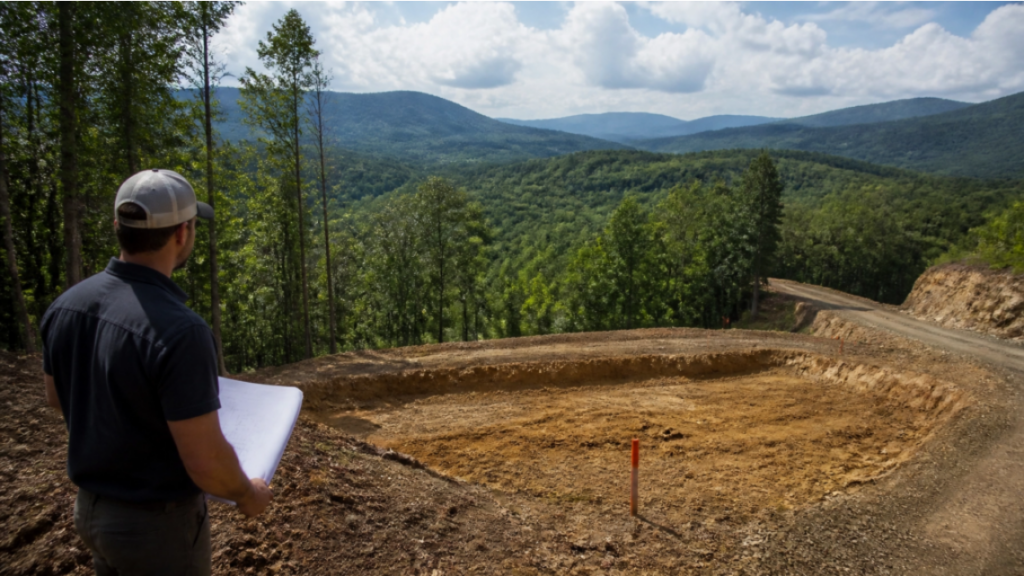
How Do You Design for a Mountain Lot Selection?
Good mountain home design starts with the land rather than forcing a plan onto it. In many cases, the best homes are the ones that respond to views, privacy, natural light, and access all at once. A strong design does not just capture a long-range view. It also considers where neighboring homes may eventually sit, how outdoor spaces relate to the terrain, and how the house will feel when you arrive in all seasons.
Window placement is one of the most important decisions in mountain homes. Large glass openings can frame views beautifully, but they should also be positioned to manage glare, preserve privacy, and bring in balanced light. Sometimes the best view wall is not the only priority. A home may benefit just as much from carefully placed windows that pull light into hallways, stairwells, and living spaces from more than one direction. This is where thoughtful mountain home design becomes more than aesthetics.
Outdoor living should be planned with usability in mind. Covered decks, screened porches, and protected sitting areas often perform better in the mountains than fully exposed spaces. Wind, sun, tree cover, and privacy all affect whether a deck becomes a favorite part of the home or a space that is rarely used. Preserving trees can also make a major difference. Selective preservation may maintain shade, soften the visual impact of the home, and support the natural setting without giving up the key view corridors that define mountain living.
For buyers pursuing Western North Carolina custom homes, the most effective design process begins early, while site decisions are still flexible. When the land and the house are considered together, the result is usually more comfortable, more efficient, and better suited to the property.
Why Is Drainage So Important?
Drainage matters because water is persistent, and mountain sites move water quickly. Rainfall can travel across slopes, collect near foundations, wear down driveways, and create erosion if it is not directed properly. Even a well-designed home can underperform if runoff is allowed to move uncontrolled around the structure.
A good drainage strategy starts with understanding how water already behaves on the property. From there, grading, swales, drains, and surface materials can be planned to move runoff away from the house and protect the homesite over time. For any mountain lot, drainage is not a minor detail. It is part of protecting the investment.
Can You Build a Low-Maintenance Mountain Home?
Yes, but low maintenance begins with good site and material decisions rather than shortcuts. In the mountains, exposure to sun, moisture, freeze and thaw cycles, and wind can be demanding on exterior materials. Durable siding (such as fiber cement), standing seam metal roofs, composite decking, and well-detailed flashing all contribute to a home that performs better and requires less upkeep over time.
Window selection is particularly important because glass affects comfort, operating cost, and long-term durability. Energy-efficient windows can improve temperature control, reduce strain on heating and cooling systems, and support better interior comfort through the seasons. The same principle applies to exterior finishes. Materials that hold up well in a mountain climate can reduce repainting, repairs, and weather-related wear.
Low-maintenance design also connects back to the lot itself. A home with manageable access, practical drainage, and sensible outdoor living areas is usually easier to maintain than one that fights the site at every turn. For homeowners seeking a custom home builder Asheville area clients can rely on, these practical choices often create better long-term value than features that only look impressive on paper.
Making Smart Design Decisions
Some of the most effective cost decisions are made before construction begins. Orientation can influence energy performance, natural light, and how comfortably the home sits on the site. Garage location affects grading, convenience, and how much driveway is required. A longer driveway may seem minor at first, but it can increase clearing, grading, drainage work, and long-term maintenance.
Roof design also deserves careful attention in the mountains. Complex rooflines can look appealing, but they may add framing cost, create more maintenance points, and complicate water management. A cleaner roof design can improve durability and reduce unnecessary construction expense without sacrificing architectural quality. The same is true for how the house meets the ground. Simpler transitions often support better budgeting and easier execution.
These decisions are not about reducing ambition. They are about aligning the design with the realities of the property. When orientation, driveway length, garage placement, and roof form are considered together, the project tends to move more efficiently from concept to construction. That is especially important when planning a mountain home design on a site with limited flexibility.
Mountain Lot Evaluation Checklist
Use this checklist as a starting point when evaluating potential land in Western North Carolina:
- Utilities: Are water, sewer/septic, electric, and high-speed internet readily available?
- Road Access: How will service vehicles, moving trucks, and fire trucks reach the site?
- Views: What do the views look like in winter versus summer?
- Sun Exposure: Which way does the lot face for light and solar potential?
- Drainage: How does water move across the slope during heavy rain?
- Buildable Area: Is the “buildable envelope” large enough after setbacks and easements?
- Septic Feasibility: Has the soil been tested for a septic system?
- Driveway: How long and steep will the driveway need to be?
- Foundation: What kind of foundation will the topography require?
Falcon Construction and Development helps clients review land early so design, engineering, and budget decisions can be made with better information. Our team works with property owners to evaluate access, utilities, drainage, buildability, and design fit before major commitments are made. Whether you’ve already found the perfect property or are just beginning your search, Falcon Construction and Development can help you evaluate your options before you make one of the biggest investments of the project. Contact our team to schedule a homesite evaluation.